 Latter-day Saint AgsLatter-day Saint Ags
Texas A&M is more than a university; it’s a century-old culture built on loyalty, service, selflessness, and unbreakable bonds. For Latter-day Saint students, these traditions don’t compete with the gospel; they echo it. They teach the same principles we learn in church, seminary, institute and general conference: love for God and love for neighbor, standing for truth, serving without expecting reward, and building God’s kingdom wherever we are.
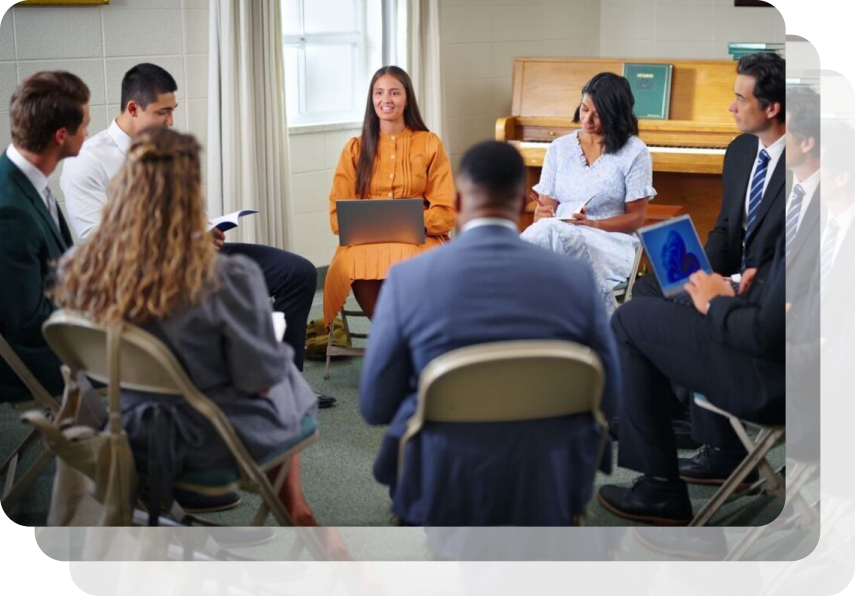
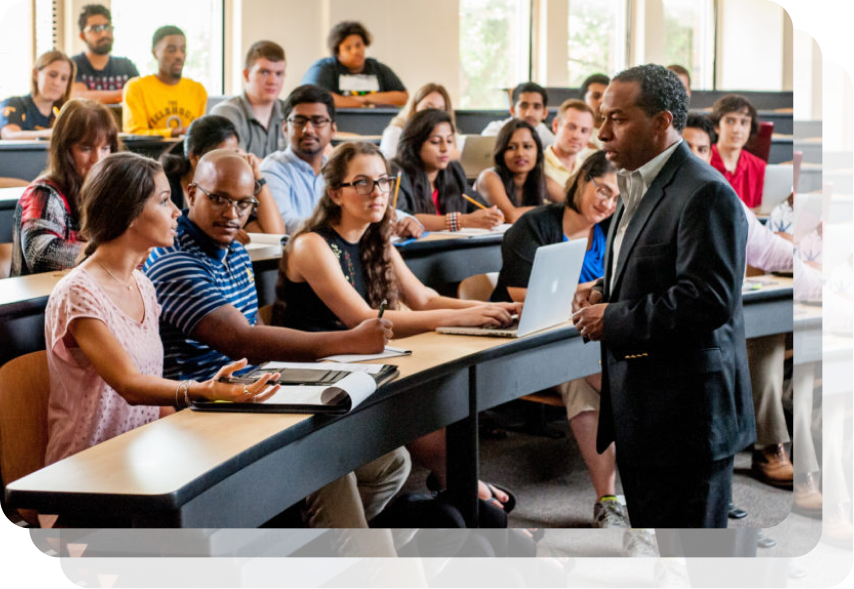
The Church of Jesus Christ of Latter-day Saints has a large, active presence at Texas A&M University (College Station,TX) and Blinn College (Bryan, TX) centered at the College Station Texas Institute of Religion located right across the street from the Texas A&M campus with a beautiful view of Kyle Field.
Cornerstone courses
Scripture-based courses
Additional classes
The combination of rigorous academic options at Texas A&M, a robust institute program, dedicated student ward, and a tight-knit Latter-day Saint Aggie alumni network creates an environment where students can fully participate in university life while building their testimony of Jesus Christ and progression on the covenant path.
Key Facts and Distinctives (2025)
Daily Rhythm
Traditions & Culture
Athletics & Spirit
Student Organizations
The night before every home football game, 25,000-40,000 students gather at Kyle Field (yes, at midnight) to practice yells, hear jokes, and get fired up for the game. No alcohol, no profanity just pure, electric school spirit. It’s one of the cleanest, most unifying events you’ll ever experience. You’ll leave feeling part of something much bigger than yourself.
When a player went down with injuries in 1922, a student named E. King Gill stood ready on the sidelines, willing to suit up if needed. He never entered the game, but from that day forward every Aggie fan stands for the entire game, ready to go in if the team needs us. For Latter-day Saints, it’s a living symbol of being “anxiously engaged” and answering the call whenever the Lord or His children need us.
Every April 21, Aggies worldwide gather to remember those who have passed away in the previous year. Names are read, candles are lit, and someone answers “Here” for each deceased Aggie with a “Soft Roll Call.” It is sacred, reverent, and deeply moving.
When a current student dies thousands stand in silence outside the Academic building on campus as the Ross Volunteers fire a 21-gun salute and the nationally famous Aggie Band plays a slow version of “Silver Taps” three times — north, south, and west (never east, because the sun will never rise on that Aggie again).
For over 135 years, the Texas A&M class ring has been the most visible, most cherished symbol of the Aggie experience. No other university ring in America comes close in size, meaning, or sheer number worn every day (over 500,000 living former students and counting).
You can only order your Aggie Ring after completing 90 credit hours (roughly junior standing). Most students pick it up the semester they become seniors. The anticipation is part of the tradition.
Three times a year (April, September, November), thousands of students and their families gather at the Clayton W. Williams, Jr. Alumni Center.
Though the physical Bonfire structure on campus ended in 1999, the spirit of Bonfire lives on through Replant and Student Bonfire. Aggies still cut, stack, and burn (off-campus now) to show the world we’re willing to work harder and sacrifice more than anyone else — “burning desire to beat the hell outta t.u.”
A week before the last home game, seniors link arms and walk like weary elephants through the most iconic spots on campus, marking the end of their time as undergraduates. It’s a tradition full of reflection, gratitude, and tears — perfect preparation for the next chapter of eternal progression.
These two programs are cornerstone experiences for new Aggies, designed to ease the transition to college life while immersing you in the heart of Texas A&M's traditions, spirit, and community. They're all student-led (with support from the Department of Student Activities and Student Affairs), emphasizing fun, friendships, and that unbreakable sense of belonging.
Fish Camp is Texas A&M's flagship extended orientation program for incoming freshmen, often called the "first tradition" you'll encounter as an Aggie. Launched in 1954 by YMCA Director Gordon Gay, it started as a simple "Freshman Camp" outing to Fort Parker State Park in Mexia, Texas, where a small group of guys bonded over campfires and chats about Aggie life. Gay's vision? To teach newcomers about the university's rich history and traditions while fostering lifelong friendships in a relaxed, outdoor setting. By 1957, it had moved to the Lakeview Methodist Conference Center near Palestine, Texas (about 90 minutes from campus), where it remains today—except for a COVID pivot in 2020.
Today, it's a massive 3-day, 2-night retreat held multiple sessions each summer (typically July-August), welcoming over 5,000 freshmen annually with the help of 1,000+ upperclassmen counselors. You'll ride a bus from Reed Arena on campus to Lakeview, where you're sorted into colorful "camps" (each with a theme, like a famous Aggie namesake, and fixed colors like green or red). Within those, small discussion groups of 8-10 let you dive into real talk—asking counselors about dorm life, classes, or navigating Aggie yells—while building bonds that often turn into study groups or roommates.
Activities blend education and excitement: skits on traditions like the 12th Man or Muster, guest speakers from organizations like the Twelfth Man Foundation, pool parties, and late-night yell practices under the stars. It's optional but highly recommended.
T-Camp short for Transition Camp. T-Camp is the transfer student's answer to Fish Camp—a 3-day, 2-night program tailored for those joining Texas A&M mid-journey, whether from community college, another university, or as non-traditional students. It kicked off in the early 2000s (exact date fuzzy, but inspired directly by Fish Camp's success), created by students who knew transfers needed their own "Aggie immersion" to hit the ground running. Held in late summer (just before fall classes), it runs at the Lakeview Methodist Conference Center, with buses departing from campus.
For Latter-day Saint students, Texas A&M isn’t just a school; it’s a second family that teaches the same values we hold most dear. When you combine these traditions with Institute classes, family home evenings, temple trips, and a ward full of students striving to follow Christ, you get something rare: a university experience that doesn’t ask you to choose between academic excellence and staying firmly on the covenant path.